
T-Shaped HR Competency Model


A practical competency model that equips modern HR professionals to drive business value across the full HR spectrum.
Adopted globally to develop more strategic and impactful T-shaped HR professionals.
As the HR role grows more complex and business-facing, expertise in one functional area alone is no longer enough. Today’s HR professionals need broad capability across six core HR competencies, complemented by deeper expertise in one or more functional domains.
Now in its 4th iteration, the model reflects insights from AIHR’s global HR community across 140+ countries and continues to evolve with the changing demands of the profession.
What is a competency model?
A competency is a combination of knowledge, skills, abilities, and behaviors required to perform effectively in a specific role or area of responsibility.
A competency model brings together the competencies that matter most for a particular role or function, such as HR, and defines what effective performance looks like.
In practice, a competency model provides structure for professional development, skills gap analysis, and performance management, while offering a clear view of what strong HR capability looks like at both the individual and organizational level.
How are competencies structured?
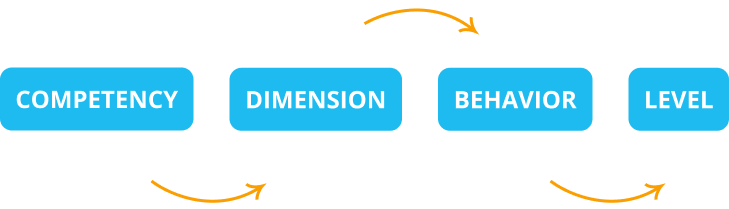
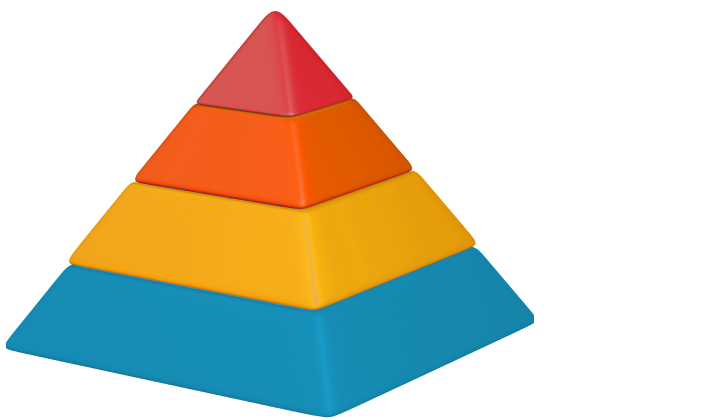
In AIHR’s T-Shaped HR Competency Model, each competency comprises multiple dimensions that capture its key components. Every dimension includes observable behaviors, described across four proficiency levels to show how capability develops over time.
Example
The Data Literacy competency is structured across five dimensions: Data Stewardship, Analytical Application, Ethical Data Use, Data Translation, and Evidence-Based Practice. Each dimension includes specific, observable behaviors.
For example, Data Stewardship includes behaviors such as Ensuring Data Integrity, Applying Data Governance, and Maintaining Data Accountability.
Each behavior is assessed across four proficiency levels from basic awareness to strategic, organization-wide impact: Foundational (Aware), Intermediate (Applied), Advanced (Integrated), Expert (Strategic).
6 Core HR Competencies
Business Acumen
Understanding and using the business context to align people strategies with organizational performance and growth.
Data Literacy
Interpreting and applying data-driven insights to inform people decisions, improve outcomes, and demonstrate HR’s measurable impact.
Digital Agility
Leveraging digital tools and mindsets to enhance efficiency, collaboration, and readiness for continuous transformation.
AI Fluency
Understanding, applying, and promoting artificial intelligence responsibly to enhance HR outcomes and business value.
People Advocacy
Building human-centered organizational cultures that balance wellbeing, performance, ethics, and sustainability.
Execution Excellence
Delivering consistent results through effective planning, adaptive problem-solving, and cross-functional collaboration.

Olivia – HR Manager working in a medium-sized manufacturing company.
They lead a team of six: two recruiters, one HR administrator, two HR Business Partners, and a Learning Facilitator.
How does Olivia do their job?

Olivia uses Business Acumen to align HR priorities with the company’s strategy. Through strong Context Interpretation, they assess market shifts and translate them into focused HR actions that support production targets and workforce stability.
When reviewing retention challenges, Olivia applies Data Literacy. Using Analytical Application and Data Translation, they identify turnover patterns, interpret the insights in context, and present clear, data-informed recommendations to leadership.

To implement a revised Total Rewards approach, Olivia demonstrates Execution Excellence. They collaborate across functions, apply structured problem-solving, and translate decisions into clear KPIs to ensure the initiative delivers measurable impact.
Applying AI Fluency, Olivia uses AI tools to model reward scenarios, analyze turnover drivers, and streamline workforce reporting. They validate AI-generated insights, check for bias or data gaps, and ensure decisions remain fair, transparent, and financially sound.

Take the T-Shaped
Assessment
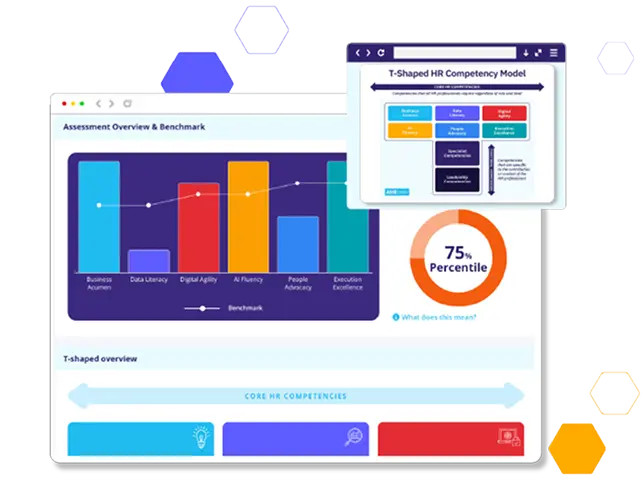
T-shaped HR professionals are prepared for what’s next in HR. Take the assessment to discover your strengths, skill gaps, and what to build to become truly irreplaceable.
Business Acumen
Context Interpretation
Commercial Fluency
Customer Understanding
Strategy Co-Creation
Stays informed about macro trends and industry developments to anticipate business needs
“I proactively monitor market trends and industry shifts, translating external insights into forward-looking HR priorities that strengthen business performance.”
Understands how the organization creates value and how HR contributes to it
“I understand how our organization creates and sustains value, and I align HR initiatives to directly reinforce that value creation.”
Aligns HR practices to the organization’s business model and value chain
“I align HR practices to our business model and value chain, ensuring people strategies drive operational excellence and competitive advantage.”
Interprets financial information to understand business performance
“I interpret financial and performance data to assess business health and guide commercially sound HR decisions.”
Plans and manages HR budgets to ensure financial sustainability
“I manage HR investments responsibly, balancing cost discipline with strategic impact to support sustainable growth.”
Understands and responds to internal customer needs
“I build deep understanding of stakeholder needs and translate them into responsive, high-impact HR support.”
Creates HR solutions that deliver value to internal customers
“I design people solutions that elevate employee experience while delivering measurable business value.”
Continuously improves HR services using feedback loops
“I use structured feedback and data insights to continuously refine HR services and maximize their relevance and impact.”
Uses insight into business strategy to align HR objectives
“I translate business strategy into focused HR priorities and actively influence decisions to enable strategic execution.”
Ensures HR initiatives directly contribute to business outcomes.
“I ensure every HR initiative is clearly connected to business priorities, delivering visible impact on performance and growth.”
Uses metrics and insights to evidence HR’s contribution to business success
“I use meaningful metrics and strategic insights to clearly demonstrate HR’s measurable contribution to business performance and long-term success.”
Data Literacy
Data Stewardship
Analytical Application
Ethical Data Use
Data Translation
Evidence-Based Practice
Maintains accuracy, reliability, and completeness of data across its lifecycle
“I establish clear data standards, validate inputs regularly, and implement quality checks to protect accuracy and consistency over time.”
Adheres to legal, ethical, and organizational standards for data collection, use, and storage.
“I embed governance principles into daily practice, ensuring data is collected, accessed, and stored in line with regulatory and organizational requirements.”
Takes ownership for the quality and appropriate use of data in HR decision-making
“I actively monitor data quality, clarify ownership, and intervene when misuse or inaccuracies could compromise decision-making.”
Examines data to uncover relationships and insights that explain workforce or business dynamics
“I explore data systematically, asking critical questions and testing assumptions to uncover meaningful trends and relationships.”
Integrates multiple data points to develop clear, evidence-based perspectives
“I connect quantitative and qualitative inputs, distilling complexity into clear insights that guide action.”
Draws logical conclusions grounded in both data evidence and business realities.
“I weigh data findings against operational realities and strategic priorities before forming balanced, actionable conclusions.”
Evaluates the trustworthiness, completeness, and relevance of data sources
“I verify data sources, question underlying assumptions, and assess limitations before relying on insights.”
Identifies and mitigates bias in data, interpretation, or decision-making
“I actively surface potential bias in datasets and analysis, applying corrective measures to ensure fairness and objectivity.”
Balances innovation with ethical responsibility and compliance in all data practices
“I evaluate potential risks and ethical implications before introducing new data practices or analytical approaches.”
Presents data using accessible and accurate visual formats
“I select appropriate visual formats and simplify complexity so stakeholders can quickly grasp key messages.”
Connects data findings to business and people outcomes through meaningful narratives
“I frame data within a clear narrative structure that links insights to organizational priorities and desired outcomes.”
Adapts message, detail, and tone to engage and influence different audiences
“I adjust the level of detail, language, and framing to resonate with different stakeholder groups and decision-makers.”
Integrates data-driven insight into HR and business decisions
“I challenge assumptions with evidence and ensure decisions are supported by relevant, validated insights.”
Uses metrics and analytics to show HR’s contribution to performance and results
“I define meaningful success measures upfront and track outcomes to make HR’s contribution visible and measurable.”
Encourages evidence-based thinking and accountability across the organization
“I model evidence-based decision-making and encourage others to use data confidently and responsibly in their roles.”
Digital Agility
Digital Awareness
Technology Use
Digital Security and Ethics
Digital Collaboration
Digital Readiness and Capability Building
Stays informed about digital innovations and trends shaping the HR and business landscape
“I actively scan the external environment, engage with thought leaders, and explore emerging technologies to anticipate shifts that may impact HR and the business.”
Evaluates how new technologies influence organizational strategy, processes, and workforce needs
“I critically evaluate how new technologies reshape workflows, capabilities, and strategic priorities before recommending adoption.”
Pursues new digital knowledge and tests emerging technologies to improve ways of working
“I successfully implement various technologies to enhance HR service delivery.”
Uses and enhances HR systems and platforms effectively to improve process quality and speed
“I leverage HR systems to their full capability, optimize configurations, and continuously improve workflows for greater speed and accuracy.”
Connects tools and workflows to create seamless and automated HR experiences
“I streamline processes by integrating platforms and automating repetitive tasks to create smoother, end-to-end HR experiences.”
Applies sound practices for data privacy, cybersecurity, and system integrity
“I follow secure digital practices, proactively manage access controls, and ensure compliance with data protection standards.”
Embeds fairness, transparency, and accountability into digital practices
“I assess digital initiatives for ethical implications and advocate for transparent, accountable technology use.”
Fosters confidence among employees and stakeholders in the responsible use of digital systems
“I communicate clearly about how technology is used, addressing concerns and reinforcing safeguards to build stakeholder confidence.”
Works effectively with teams and stakeholders through digital collaboration tools
“I use digital collaboration platforms intentionally to coordinate work, share knowledge, and maintain alignment across teams.”
Ensures technology adoption is accessible and equitable across roles and demographics
“I identify adoption barriers and provide support, ensuring digital tools are accessible and usable for diverse employee groups.”
Leverages partnerships and platforms to extend innovation and collective value.
“I cultivate partnerships and connect platforms to expand innovation, knowledge sharing, and collective impact.”
Recognizes the strategic value of digital tools in transforming HR and business outcomes
“I position digital tools as strategic enablers, linking technology investments directly to business and people outcomes.”
Encourages others to build digital capability and confidence across the organization
“I model digital confidence, provide practical guidance, and encourage experimentation to accelerate adoption.”
Enables the organization to adapt and grow by strengthening digital mindsets, skills, and systems
“I strengthen digital capability through targeted learning, change support, and system improvements that enable sustainable transformation.”
AI Fluency
Confident AI Application
Responsible AI Practice
AI Adoption Advocacy
AI Work Integration
Understands the role and potential of AI across the employee life cycle
“I stay informed about AI capabilities and limitations, exploring how they can add value across different stages of the employee lifecycle.”
Uses AI tools effectively to improve accuracy, scale, and efficiency in HR tasks
“I select and apply appropriate AI tools to streamline tasks, enhance precision, and scale HR activities responsibly.”
Crafts clear prompts to guide AI systems toward relevant and accurate outcomes
“I structure prompts with clarity and context, refining inputs iteratively to generate relevant, high-quality outputs.”
Uses AI systems alongside human judgment to enhance outcomes and decisions
“I combine AI-generated insights with professional judgment, ensuring human oversight remains central to decision-making.”
Applies fairness, transparency, and inclusion principles when using AI in HR
“I evaluate AI applications for fairness and inclusivity, addressing unintended bias before implementation.”
Ensures AI use aligns with privacy, transparency, and accountability standards
“I communicate clearly about how AI systems use data and uphold privacy and transparency standards to maintain trust.”
Applies AI governance to manage ethical and compliance risks
“I assess potential ethical and compliance risks early and apply governance controls to mitigate them.”
Encourages AI fluency by sharing insights and supporting others
“I share practical AI use cases, lessons learned, and guidance to build confidence and capability across teams.”
Tests and adapts AI approaches to improve outcomes and responsiveness
“I pilot AI solutions in low-risk environments, gather feedback, and refine approaches before scaling.”
Shapes long-term AI strategy and advocates for responsible adoption.
“I advocate for a balanced AI strategy that aligns innovation with ethical responsibility and long-term business goals.”
Contributes to designing AI solutions that address HR challenges
“I collaborate with stakeholders to define HR challenges clearly and co-design AI-enabled solutions that address root causes.”
Embeds AI tools into HR workflows to improve efficiency and experience
“I embed AI into existing workflows thoughtfully, ensuring seamless integration that enhances both efficiency and user experience.”
Embed AI tools into HR workflows to improve efficiency and experience.
“I embed AI into existing workflows thoughtfully, ensuring seamless integration that enhances both efficiency and user experience.”
People Advocacy
Culture Shaping
Change Enablement & Resilience
Ethical and Risk Ownership
Sustainability and Social Impact
Drives commitment to organizational vision and goals
“I connect daily work to the broader purpose, communicating the vision in ways that inspire ownership and shared accountability.”
Defines and reinforces behaviors that balance accountability, growth, and wellbeing
“I set clear expectations, recognize high performance, and promote growth while safeguarding employee wellbeing.”
Embeds organizational values into everyday practices
“I role-model organizational values consistently and integrate them into decision-making, recognition, and performance conversations.”
Creates conditions for psychological safety and equitable participation across the organization
“I create space for diverse voices, address exclusionary behaviors, and actively cultivate psychological safety across teams.”
Plans and implements change strategies that endure and align with purpose
“I design change initiatives with clear intent, structured milestones, and ongoing reinforcement to ensure lasting adoption.”
Engages diverse perspectives to co-create understanding and shared ownership of change
“I involve key stakeholders early, listen to diverse viewpoints, and build shared ownership through transparent dialogue.”
Develops the capacity of people and systems to adapt and recover from challenges
“I strengthen adaptability by equipping leaders and teams with tools, support, and learning that prepare them for uncertainty.”
Anticipates and manages risks related to people, culture, and reputation
“I proactively assess cultural and workforce risks, implementing preventive measures before issues escalate.”
Demonstrates integrity and fairness in all decisions and interactions.
“I make principled decisions, communicate transparently, and ensure fairness guides my actions and influence.”
Embeds compliance and governance practices that protect people and the organization
“I integrate compliance into daily processes, ensuring policies are understood, applied consistently, and regularly reviewed.”
Creates programs and partnerships that benefit both employees and broader communities
“I foster partnerships and initiatives that create shared value for employees, communities, and the organization.”
Integrates ESG principles into HR practices to drive long-term value
“I embed sustainability principles into HR strategies, aligning people practices with environmental and social responsibility.”
Applies HR expertise to advance human, social, and environmental wellbeing
“I use HR influence to advocate for practices that advance human dignity, equity, and long-term societal impact.”
Execution Excellence
Agility and Responsiveness
Problem-Solving and Decision-Making
Cross-Functional Collaboration
Systems Thinking
Plans and sequences work effectively, setting clear priorities and adapting to changing circumstances to maintain momentum
“I translate objectives into clear action plans, sequence work deliberately, and revisit priorities regularly to maintain progress.”
Takes ownership for achieving objectives, follows through on commitments, and ensures timely, accurate delivery
“I take personal responsibility for outcomes, monitor progress closely, and follow through consistently on commitments.”
Adjusts plans, methods, and focus areas to remain effective under uncertainty or shifting priorities
“I reassess assumptions quickly, adjust course when needed, and maintain focus on outcomes despite shifting conditions.”
Allocates time, people, and resources efficiently, revising allocations as priorities evolve to ensure optimal performance
“I deploy time, talent, and budget intentionally, reallocating resources as demands evolve to sustain performance.”
Uses evidence, logic, and experience to identify patterns, root causes, and improvement opportunities in complex situations
“I challenge assumptions, analyze root causes, and draw on evidence and experience to frame effective solutions.”
Manages competing priorities and conflicting viewpoints to achieve balanced, value-driven outcomes
“I hold competing priorities in tension, facilitating balanced solutions that reflect multiple perspectives and long-term value.”
Makes timely, evidence-based decisions that balance risk, context, and long-term impact
“I evaluate available evidence, weigh risks thoughtfully, and make timely decisions aligned with strategic intent.”
Reflects on results and learns from outcomes to refine processes and enhance future execution
“I conduct structured reviews of outcomes, extract lessons learned, and apply insights to strengthen future performance.”
Conveys information in a clear, concise, and audience-appropriate way to enable shared understanding and coordinated action
“I communicate expectations and updates clearly, tailoring messaging to ensure alignment and coordinated action.”
Works effectively with diverse teams, fostering trust, shared accountability, and alignment toward common goals
“I build trust across functions, clarify shared goals, and establish mutual accountability for results.”
Builds alignment and secures commitment for plans and initiatives through credibility, empathy, and sound reasoning
“I use credibility, empathy, and data-driven reasoning to gain commitment and move initiatives forward.”
Builds productive partnerships across functions to streamline delivery and maximize organizational impact
“I cultivate strong cross-functional partnerships that remove barriers and accelerate collective performance.”
Identifies how processes, teams, and systems interact to influence performance and results
“I map connections between teams, processes, and systems to understand how changes in one area affect the whole.”
Detects recurring dynamics and feedback mechanisms that drive system performance
“I observe recurring behaviors and feedback loops, using these insights to anticipate performance dynamics.”
Considers the broader organizational implications and unintended consequences of actions and decisions
“I evaluate second- and third-order effects before acting, considering long-term and cross-functional consequences.”


Specialist Competencies
Builds and promotes a compelling employer value proposition using market insights and creative storytelling to attract the right talent
- Creating an employer brand
- Designing an EVP
- Communicating the employer brand
Generates qualified candidate pipelines through targeted sourcing and recruitment marketing across channels.
- Sourcing talent
- Recruitment marketing campaigns
Designs fair, reliable selection processes and optimizes recruiting systems to improve hiring quality and experience
- Assessing candidates
- Creating a positive candidate experience
- Managing recruitment systems
Designs onboarding, induction, and early-career pathways that accelerate integration and early productivity
- Creating onboarding and induction programs
- Using digital platforms for efficient onboarding
Design agile structures and build organizational effectiveness through diagnostics and evidence-based interventions
- Designing OD interventionsa
- Coaching leaders
- Optimizing team effectiveness
- Driving employee development
- Diagnosing organizational inefficiencies
Leads change programs with strong sponsorship, stakeholder engagement, and governance for effective adoption
- Conducting change impact assessments
- Managing stakeholders
- Driving change communication
- Designing change interventions
- Measuring change benefits and return on investment
Forecasts workforce needs and models future scenarios to strengthen organizational readiness and adaptability
- Determining the future workforce demands
- Assessing the current workforce skills and competency levels
- Designing a workforce plan for the future
Assesses financial data and external trends to build evidence-based HR investment cases to guide strategic decisions
- Analyzing financial statements and business models
- Evaluating ROI of HR initiatives
- Aligning business strategy and HR priorities
Delivers projects effectively and continuously improves processes using structured methods
- Optimizing HR workflows
- Applying project management methods to HR activities
Co-designs AI solutions and embeds AI tools and insights into HR workflows to improve efficiency, decision quality, and employee experience
- Redesigning HR processes by embedding AI tools and insights
Analyzes workforce data using statistical methods and modeling to generate insights and predictions
- Collecting, analyzing, and interpreting workforce data
- Applying predictive analytics to manage risks and improve outcomes
Collects, standardizes, and maintains high-quality HR data and metadata for interoperability and analysis readiness
- Collecting, validating, integrating, and maintaining analysis-ready HR datasets
- Standardizing data sets for system interoperability
Translates business objectives into reliable HR metrics and KPIs with clear definitions and formulas
- Turning organizational objectives into measurable HR indicators and KPIs
- Tracking progress using metrics, dashboards, and reporting tools
Applies governance, privacy, and ethical frameworks to ensure lawful, secure, and fair use of HR data and AI
- Detecting and mitigating privacy, bias, and fairness risks in HR data
- Implementing and monitoring HR data privacy and compliance standards
- Keeping up with compliance requirement changes
Presents insights clearly and build dashboards that support evidence-based decisions
- Designing clear, accurate, and compelling visual representations of HR data
- Translating analyzed data into concise, actionable insights
Evaluates, implements, and governs HR technology platforms and integrations aligned to business needs
- Defining an effective HR technology strategy
- Selecting HRIS and other HR platforms vendors
Automates HR processes and design user-centered digital services that improve efficiency and experience
- Designing and managing efficient digital workflows and process automation
- Improving employee self-service
Operates AI-enabled tools effectively and designs prompts that improve the quality and relevance of outputs
- Designing clear, structured, context-rich prompts for accurate AI outputs
- Applying AI in relevant HR use cases
Co-designs AI solutions and embeds AI tools and insights into HR workflows to improve efficiency, decision quality, and employee experience
- Identifying HR or business challenges that would benefit from AI-enabled solutions
- Configuring and maintaining AI-driven algorithms in recruitment
Establishing governance for digital & AI HR solutions to ensure security, privacy, and ethical operation
- Developing AI governance frameworks and risk controls
- Operating AI in a compliant way
Designs end-to-end employee journeys that improve satisfaction, performance, and connection
- Gathering data on employee needs and behaviors
- Analyzing and redesigning employee interactions using journey mapping, feedback, and design principles
Designs employee engagement practices that strengthen alignment, motivation, and connection
- Measuring and strengthening employee engagement
- Plan and deliver internal communications through multiple channels
Shapes inclusive cultures through data-driven DEI strategy, measurement, and inclusive leadership development
- Defining, tracking, and interpreting DEI indicators
- Designing data-driven DEI strategies aligned with organizational priorities
- Coaching leaders on creating a culture of inclusion
Designs and implements holistic wellbeing frameworks and programs that support a healthy and productive workforce
- Designing organizational wellbeing programs and interventions
- Implementing interventions to improve the wellbeing of employees within the organization
Implements performance systems and multi-rater feedback practices that align people performance with organizational objectives
- Setting and cascading goals
- Providing feedback on non-performance
- Running performance calibration processes
Designs equitable compensation and manages benefits to ensure competitiveness and employee value
- Designing compensation packages
- Conducting salary surveys
- Designing incentive and benefit programs
- Administering reward reviews and audits
Executes accurate, timely, and compliant payroll operations
- Designing payroll processes, controls, and systems
- Running monthly, quarterly, and annual payroll processes
- Reporting on payroll waste and accuracy
Develops and audits HR policies and practices to meet legal requirements and organizational standards
- Drafting, managing, and implementing HR policies and procedures
- Review HR practices against legal and regulatory standards to achieve compliance
Manages employee relations issues, applies labor laws, and delivers reliable HR services
- Understanding labor legislation
- Following grievance procedures
- Following disciplinary procedures
- Consulting with legal representation
Manages structured exit processes that ensure compliance, insight, and a positive experience
- Designing the offboarding process
- Reporting on offboarding processes
Identifies and mitigates people-related risks and prepare for crises to ensure continuity
- Using structured frameworks to identify, assess and control people risks
- Develop crisis response frameworks
Assesses capability gaps and designs blended learning programs that build priority skills
- Designing learning journeys and curricula to develop employees in line with organizational goals
- Identifying, designing, and implementing learning channels and methodologies
Builds leadership capability through structured coaching and development programs
- Identifying required leadership competencies for success
- Designing and developing leadership development programs and experiences to build leadership skills and capacity
- Coaching and guiding leaders
Plans leadership pipelines and career frameworks that enable continuity and growth
- Identifying critical roles and creating a succession planning strategy
- Designing and managing career development programs
Enables internal talent movement and plans for emerging capability needs
- Using data and scenario modeling to forecast emerging skills and workforce requirements
- Implementing an internal talent marketplace

Leadership Competencies
Anticipates future business and workforce needs to position HR proactively
- Encouraging future-focused, critical reflection on business and HR practices
- Using evidence to inform strategic choices
Creates clarity of direction and connects HR purpose to organizational strategy
- Defining and communicating a compelling HR vision aligned with business goals
- Prioritizing initiatives that directly advance strategic and organizational outcomes
Builds alignment and momentum through clear, persuasive communication
- Communicates HR strategy in a persuasive, action-inspiring way
- Adapting message and tone to engage and influence diverse audiences
Applies analytical and contextual reasoning to make balanced choices
- Using data, insight, and context to make decisions
- Acting consistently and predictably to build confidence in decision-making
Upholds standards, structures, and processes that guide effective decision-making
- Documenting and communicating the rationale for key decisions
- Adhering to governance standards in all HR processes and initiatives
Acts with integrity and responsibility to safeguard people, culture, and reputation
- Considering ethical implications and human impact of decisions
- Balancing innovation and compliance to enable safe progress
Demonstrates transparency and alignment between words and actions
- Communicating openly and delivering on commitments
- Acknowledging mistakes and taking responsibility to rectify them
Builds trusting partnerships across HR and the business
- Working to understand stakeholders’ priorities and pressures
- Consistently acting in a way that builds trust with team members and business partners
Earns organizational credibility through professionalism and value delivery
- Acting as a trusted HR voice in cross-functional forums
- Shaping outcomes through ethical, trust-based persuasion
Develops others through feedback, guidance, and growth opportunities
- Providing constructive feedback
- Listening without judgement
Creates an environment that drives purpose, ownership, and performance
- Recognizing and rewarding excellence
- Delegating authority
Builds psychological safety and equitable participation across teams
- Actively seeking and integrating differing viewpoints in discussions
- Challenging exclusionary behaviors and practices
Creates clarity, alignment, and ownership during change
- Communicating the rationale, impact, and benefits of change clearly
- Involving stakeholders early to ensure alignment and buy-in
Balances structure and flexibility to respond effectively to change
- Responding to shifting priorities and circumstances effectively
- Encouraging experimentation and testing of new ideas
Maintains focus, balance, and energy through uncertainty
- Modeling resilience to the broader team
- Building long-term organizational sustainability
Understands one’s impact, values, and development areas
- Seeking feedback
- Reflecting on own behavior
- Applying insight to future action
Manages emotions, relationships, and energy to lead effectively
- Understanding others’ emotions
- Acting with compassion
Demonstrates ownership, courage, and consistency in decisions and actions
- Owning actions and learning from mistakes without blame
- Making ethical decisions even under pressure or resistance
What is an HR competency model?
An HR competency model defines the knowledge, skills, behaviors, and capabilities HR professionals need to deliver impact in their roles. It outlines what strong HR practice looks like and provides a clear structure for development, performance conversations, and capability building across the HR function.
What is the T-Shaped HR Competency Model?
AIHR’s T-Shaped HR Competency Model defines what HR professionals need to perform effectively and drive business impact across modern HR roles.
The model takes the shape of a “T.” The horizontal bar represents six core HR competencies — Business Acumen, Data Literacy, Digital Agility, AI Fluency, People Advocacy, and Execution Excellence — which every HR professional should develop, regardless of role or level.
The vertical stem of the “T” represents deeper expertise in one or more specialist HR domains. HR professionals who lead teams also develop leadership competencies that support strong people management.
Each competency includes clear dimensions and observable behaviors across four proficiency levels, helping HR professionals assess and grow their capability in a structured way.
What are the three types of HR competencies?
AIHR’s T-Shaped HR Competency Model distinguishes between three types of HR competencies: Core Competencies, Specialist Competencies, and Leadership Competencies.
- Core Competencies define the broad capabilities every HR professional should develop.
- Specialist Competencies reflect deeper expertise in specific HR domains.
- Leadership Competencies are important for HR practitioners who manage people and focus on leading teams and driving impact.
What are the 6 core HR competencies?
The six core HR competencies in AIHR’s T-Shaped HR Competency Model are:
- Business Acumen
- Data Literacy
- Digital Agility
- AI Fluency
- People Advocacy
- Execution Excellence
Together, these competencies define the broad capability every HR professional should develop to understand the business context, use data and technology effectively, advocate for people, and translate strategy into action and impact.
Why do we need T-shaped profiles within HR?
HR now operates across business strategy, data, technology, and employee experience. Most challenges are cross-functional and require more than narrow expertise. A T-shaped profile enables HR professionals to combine broad capability across core competencies with deeper specialist knowledge, allowing them to contribute across domains while maintaining depth where it matters.
This combination increases speed and effectiveness. T-shaped HR professionals understand the broader context of their work, which reduces handovers, misalignment, and delays. They can connect strategy to execution, apply data and digital tools confidently, and move initiatives forward without relying solely on others.
A broader competency profile also strengthens communication and influence. T-shaped HR professionals understand different perspectives across the business, which helps them translate HR priorities into language that leaders value and build stronger alignment across functions.
How many proficiency levels does the T-Shaped HR Competency Model have?
The T-Shaped HR Competency Model measures each competency across four proficiency levels: Foundational (Aware), Intermediate (Applied), Advanced (Integrated), and Expert (Strategic).
Each level includes clearly defined, observable behaviors. As HR professionals grow, they move from basic awareness and application toward integrated capability and strategic impact across the organization.
Does my team need to perform at an expert level on all the competencies?
No. Every HR professional should develop capability across the six core HR competencies — Business Acumen, Data Literacy, Digital Agility, AI Fluency, People Advocacy, and Execution Excellence — but not everyone needs to operate at the expert level in each area.
The required depth depends on the role. For example, a Talent Acquisition Specialist would develop solid capability across the six core competencies, while building deeper, more advanced expertise in areas such as recruitment, onboarding, and employer branding. An HRIS Analyst would also maintain breadth across the core competencies, but typically demonstrate higher proficiency in areas such as Data Literacy, Digital Agility, and AI Fluency, alongside deeper specialization in HR technology and analytics.
The model allows teams to balance breadth and depth based on role, responsibility, and organizational context. In other words, HR professionals develop strong capability across the core competencies to collaborate and contribute across the function, and build deeper expertise where their role requires it most.
How can my team develop these competencies?
Teams develop T-shaped HR competencies through a combination of structured learning and practical application. Formal development, such as targeted courses and certifications, builds foundational knowledge, while stretch assignments, cross-functional projects, peer learning, and feedback translate that knowledge into real capability.
Because AIHR’s HR training programs are built on the T-Shaped HR Competency Model, teams can structure their learning around the same competencies that define modern HR performance. This keeps the development efforts focused, relevant, and aligned with the capabilities the HR function demands.
How can we adopt and integrate the T-Shaped HR Competency Model into our work?
Begin by discovering your team’s starting point. The T-Shaped HR Assessment helps you understand current proficiency levels and identify capability gaps across the competencies defined in the competency model. These insights allow you to prioritize targeted upskilling where it will have the greatest impact.
Next, embed the T-Shaped HR Competency Model into how your team works. Integrate the competencies into HR role descriptions, performance contracts, feedback conversations, stakeholder evaluations, and career pathing. This ensures the competency model guides day-to-day performance and long-term development.
Looking for support in your upskilling journey? Schedule a call with one of our HR Learning Specialists to find out how we can help.
How can AIHR help us implement the T-Shaped HR Competency Model?
AIHR supports organizations with both strategic guidance and practical upskilling solutions. We begin by helping teams assess current capability and identify priority gaps using tools such as the T-Shaped HR Assessment and skills gap analysis.
From there, we work with you to design targeted learning journeys that align development with your people strategy and business goals.AIHR’s programs combine practical, expert-led content with real-world application to support behavior change and stronger performance. This way, your team strengthens the competencies that matter most and translates learning into measurable performance improvement.
Schedule a call with one of our HR Learning Specialists to find out how we can support you on this journey.
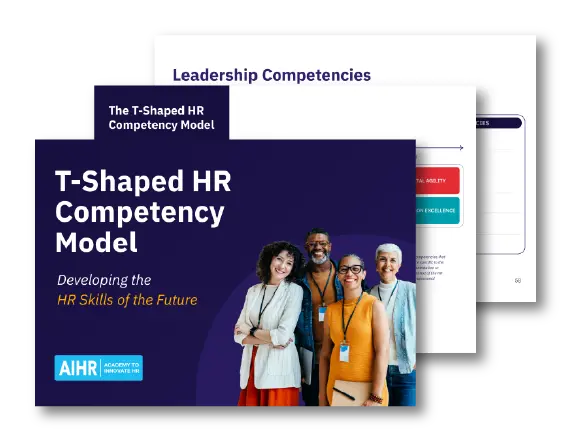
Download the Full T-Shaped HR Competency Model Guide (pdf)
Do you see the need to upskill your team and are interested in finding out how AIHR’s solutions can help? Or do you have specific questions? Let’s have a chat.
Click here to grab a slot on my calendar. Talk soon!

Oisin Oreilly – HR Learning Consultant (contact me at [email protected])